10 Ways AI and High-Touch SEO Outperform Either Alone

Give AI the keyword research, the technical checks, and the monthly reporting, and it will get through all of it fast, correct, and totally interchangeable. Give a strategist the same workload alone and every piece will actually sound like the client, but the backlog stacks up the moment you add a second account. Framing this as one or the other is exactly where agencies lose ground.
AI carries the repetitive, data-heavy work: scanning sites for issues, pulling keyword data, building reports. A person makes the calls that actually need judgment: what to publish, how it should read, which opportunity is worth chasing.
The Cost of Picking Just One Approach
Most agencies don’t choose one extreme on purpose, they drift there once deadlines pile up. According to Aira’s 2025 State of SEO report, 86% of SEO professionals already use AI somewhere in their workflow, up from 65% the year before.
That shift hasn’t solved the problem, it’s just changed its shape. Lean on AI alone and your content starts to blur together across client accounts. Lean on people alone and you fall behind the moment your roster grows past a couple dozen brands.
AI-Only vs. Human-Only SEO: A Side-by-Side Comparison
Here’s where each extreme actually falls apart, side by side.
| Factor | AI-Only SEO | Human-Only SEO | AI + High-Touch Blend |
| Speed to publish | Hours | Days to weeks | Hours, with review built in |
| Cost per deliverable | Lowest | Highest | Moderate, scales well |
| Brand voice accuracy | Inconsistent | Strong | Strong and consistent |
| Technical audit depth | Fast pattern detection | Deep but slow | Deep and fast |
| Client customization | Limited | High | High |
| Risk of thin content flags | Higher | Low | Low |
| Scalability across many clients | High volume, low control | Low volume, high control | High volume, high control |
10 Ways Pairing AI With Human Expertise Wins
The fix isn’t picking a side, it’s making both sides work the same shift. Here’s what that looks like in practice:
- Faster keyword research at scale. AI can scan thousands of keyword ideas and search intent in minutes. No researcher keeps that pace across 30-plus client accounts.
- Catching what algorithms can’t. AI still misreads local slang, industry jargon, or regional phrasing more often than you’d think. Someone doing an actual read-through catches it before it ships.
- Briefs in minutes, polish from an editor. AI drafts the outline and angle fast. A senior editor then reshapes it for brand fit, so you save time without losing quality.
- Technical checks that never sleep. AI scans a site around the clock for broken links, slow pages, and other technical issues. A person still decides which ones actually matter enough to fix today.
- QA that holds up across every account. Managing SEO for dozens of brands means repeatable checks: banned words, keyword density, meta length. AI runs the first pass, someone signs off on the last one.
- Testing titles and meta tags faster. AI can spin up a dozen title tag variations in one go. A strategist still picks the one that actually sounds like the brand.
- Local details AI keeps missing. Neighborhood names, regional slang, the name of the shop three doors down, these need someone who’s actually been there.
- Link building with a human filter. AI is good at finding relevant, credible sites worth reaching out to. It’s still worth having a person approve every placement before it goes live.
- Reporting that frees up real time. AI SEO services turns ranking and traffic data into a clean dashboard. That’s time your account managers get back for actual strategy conversations.
- Better odds of showing up in AI answers. Only about 38% of pages cited in Google’s AI Overviews also rank in the traditional top 10, and each response cites 13.3 sources on average, according to research on AI Overview citation patterns. AI can format content so it’s easy to cite. Whether it’s worth citing is still someone’s call.
What a White Label SEO Execution Partner Does Differently
A white label SEO execution partner runs the blend covered here: AI carries the keyword research, technical checks, and reporting, while analysts own the brand voice, the technical review, and the final read before anything reaches a client. Digital Analyst Team partners with 30-plus agencies to deliver exactly this kind of blended white label SEO execution alongside your team instead of replacing it, so your strategists keep the client relationship while execution runs behind the scenes. It’s the model behind most white label SEO services worth using.
Key Takeaways
- AI alone can’t replace judgment on brand voice and the trust signals Google rewards.
- Blending both wins on speed and quality together, which matters most once you’re managing a lot of clients at once.
- Structured content (tables, lists, clear answers) shows up more in AI answer engines, though ranking and getting cited aren’t the same thing.
- Local nuance still needs a human, even when AI handles the bulk of production.
Run AI and High-Touch SEO as One Team
This is the blend the piece has been making the case for: AI carrying the volume and repetition, people carrying the judgment calls, on the same task rather than trading one for the other. Contact the DAT team to see how that same model runs as white label SEO execution behind your white label SEO agency’s brand, without adding headcount.
Frequently Asked Questions
Does AI-generated content hurt SEO rankings?
No. Google evaluates content on quality and usefulness, not on whether AI was involved. The risk is publishing unedited, generic output. That’s why a human review layer for accuracy, expertise, and voice is what keeps AI-assisted content ranking.
Can AI SEO services replace human SEO strategists?
No. A proper white label partner works entirely behind the scenes.No. AI handles volume: research, drafts, crawls, and data. It can’t reliably supply first-hand experience, verify claims, or make strategic calls. The two together outperform either alone, which is the whole point of a high-touch plus AI model.
Which SEO tasks should be automated and which need a human?
Automate the repetitive, data-heavy work: keyword clustering, first drafts, technical crawls, bulk meta tags, and reporting. Keep humans on the decisions, such as which keywords convert, what content actually claims authority, which technical fixes matter most, and whether a draft is accurate enough to publish.
What is AEO and why does it matter for blended SEO?
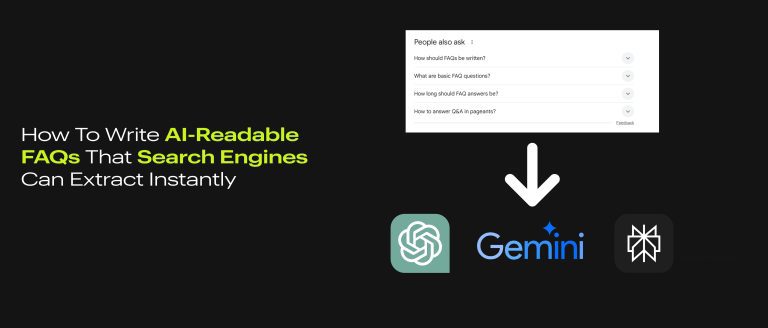
AEO, or answer engine optimization, means structuring content so tools like ChatGPT and Google AI Overviews can pull it out and cite it directly. It matters because more searches now get answered without a click, so being the source AI cites is worth as much as ranking first.